



Porcelain crowns are a popular dental restoration that restores appearance, function, and strength to damaged teeth. If you’re researching: how long do porcelain crowns last, this guide explains typical lifespans, factors that affect durability, care tips to extend longevity, and when to see your dentist. This SEO-friendly article provides practical answers to help you protect your investment and maintain a healthy smile.
Typical Lifespan of Porcelain Crowns
On average, porcelain crowns last between 10 and 15 years. With excellent oral hygiene and routine dental care, many patients enjoy 15–20 years or longer. However, the actual lifespan depends on several variables including material type, placement quality, oral habits, and overall dental health.
>>> See more: https://dentalinvietnam.com/how-long-do-porcelain-crowns-last/
Types of Porcelain Crowns and Durability
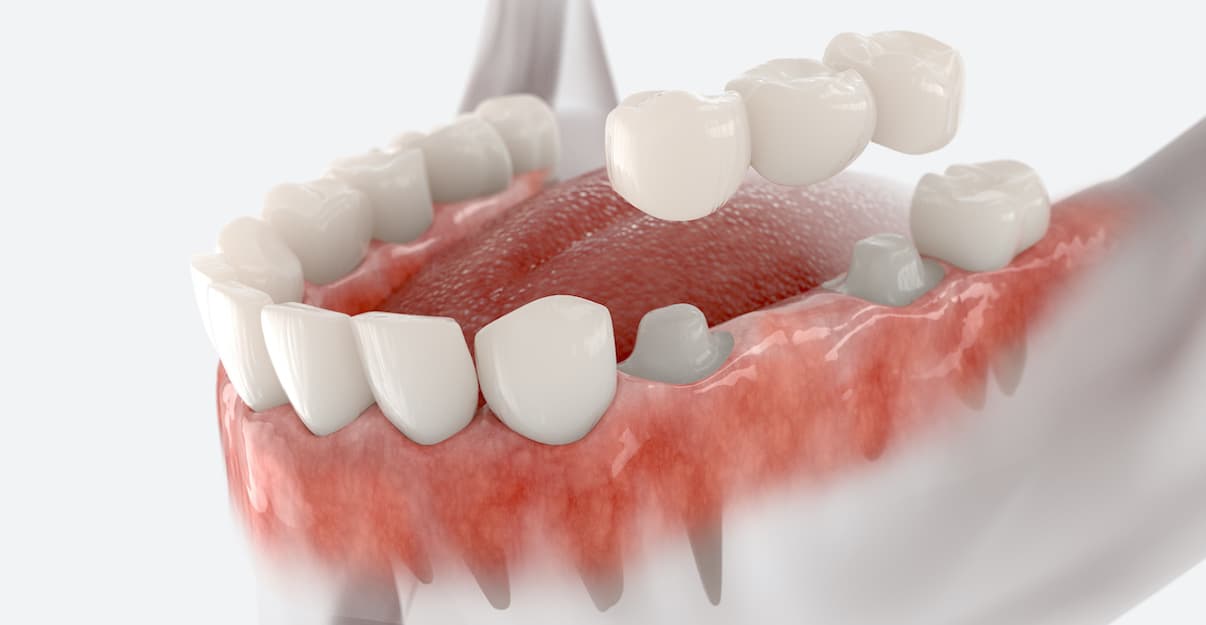
Factors That Affect How Long Porcelain Crowns Last
Proper crown longevity begins with expert technique: the dentist prepares the tooth by removing damaged or decayed tissue and shaping it for a precise fit. Accurate impressions or digital scans are sent to a skilled dental lab where the crown is fabricated. The crown is then permanently cemented with a durable dental adhesive. Meticulous fit at the margin and correct occlusion (bite) reduce plaque accumulation and mechanical stress, improving lifespan.
Costs and When Replacement Is Necessary
Replacement costs vary depending on material and location. While porcelain crowns are an investment, replacing a failing crown promptly prevents more extensive damage—such as tooth fracture or infection—that could require root canal treatment or extraction. Discuss warranties or guarantees with your dentist; some clinics offer limited guarantees for crown work.

Comparing Porcelain to Other Crown Materials
So how long do porcelain crowns last? Most last 10–15 years on average, and with excellent care, many reach 15–20 years or more—especially when made from modern high-strength ceramics and placed by experienced clinicians. Lifespan depends on material, oral hygiene, bite forces, and quality of the dental work. Regular dental visits, careful home care, and protective measures like night guards can significantly extend the life of your porcelain crowns.
>>> See more: https://dentalknowledge.mystrikingl...ne-around-crown-causes-symptoms-and-solutions
Typical Lifespan of Porcelain Crowns
On average, porcelain crowns last between 10 and 15 years. With excellent oral hygiene and routine dental care, many patients enjoy 15–20 years or longer. However, the actual lifespan depends on several variables including material type, placement quality, oral habits, and overall dental health.
>>> See more: https://dentalinvietnam.com/how-long-do-porcelain-crowns-last/
Types of Porcelain Crowns and Durability
- All-porcelain crowns (e.g., lithium disilicate, zirconia-based porcelain): These offer superior aesthetics and good strength. Modern ceramic materials like lithium disilicate (e.max) or zirconia have improved fracture resistance and can last longer than older feldspathic porcelain.
- Porcelain-fused-to-metal (PFM) crowns: These combine a metal core with a porcelain outer layer. PFM crowns are strong and durable; their metal substructure reduces the risk of fracture, though aesthetics may be slightly less natural at the gumline. PFMs often last 10–15+ years.
- Gold or metal crowns (for comparison): While not porcelain, metal crowns are very durable—often lasting 20+ years—but are less aesthetic for visible teeth.
Factors That Affect How Long Porcelain Crowns Last
- Material quality and crown type: High-strength ceramics (e.g., zirconia, lithium disilicate) and well-made PFMs tend to last longer.
- Skill of the dentist/lab technician: Precise tooth preparation, accurate impressions or digital scans, and expert cementation reduce complications and prolong lifespan.
- Oral hygiene: Regular brushing, flossing, and professional cleanings prevent decay and gum disease around crown margins.
- Bite forces and bruxism: Teeth grinding or clenching places extra stress on crowns and can cause fractures or loosening—night guards help protect restorations.
- Location in the mouth: Back teeth (molars) endure stronger chewing forces and may wear crowns faster than front teeth.
- Underlying tooth condition: If the tooth beneath the crown has extensive decay or root canal issues, the crown’s lifespan may be reduced.
- Gum health: Gum recession exposes crown margins to bacteria, increasing decay risk at the crown’s edge.
- Diet and habits: Chewing hard objects (ice, pens), biting fingernails, or opening packages with teeth can damage crowns. Staining is less of an issue for porcelain than for resin restorations, but marginal discoloration can occur over time.
- Persistent pain or sensitivity around the crowned tooth.
- Visible chips, cracks, or fractures in the porcelain.
- Loosened or wobbly crown.
- Dark line at the gumline (common with older PFM crowns) or changed appearance.
- Recurrent decay at the crown edge or under the crown.
- Gum inflammation or infection around the crowned tooth. If you notice any of these signs, schedule a dental appointment promptly to evaluate whether repair or replacement is needed.
- Practice excellent oral hygiene: Brush twice daily with a soft-bristled brush and fluoride toothpaste; floss daily, taking care around the crown margins.
- Visit your dentist regularly: Routine checkups and professional cleanings every 6 months (or as recommended) let the dentist detect early issues.
- Use a night guard if you grind or clench: Custom-made guards protect crowns from excessive force.
- Avoid hard or sticky foods: Minimize biting very hard items or chewing sticky sweets that can dislodge or chip crowns.
- Don’t use teeth as tools: Avoid opening packages or cutting threads with your teeth.
- Quit or reduce tobacco use: Smoking increases gum disease risk and may affect crown margins and oral health.
- Maintain gum health: Treat gum disease early to prevent recession and decay around crown margins.
Proper crown longevity begins with expert technique: the dentist prepares the tooth by removing damaged or decayed tissue and shaping it for a precise fit. Accurate impressions or digital scans are sent to a skilled dental lab where the crown is fabricated. The crown is then permanently cemented with a durable dental adhesive. Meticulous fit at the margin and correct occlusion (bite) reduce plaque accumulation and mechanical stress, improving lifespan.
Costs and When Replacement Is Necessary
Replacement costs vary depending on material and location. While porcelain crowns are an investment, replacing a failing crown promptly prevents more extensive damage—such as tooth fracture or infection—that could require root canal treatment or extraction. Discuss warranties or guarantees with your dentist; some clinics offer limited guarantees for crown work.
Comparing Porcelain to Other Crown Materials
- Porcelain (all-ceramic): Best for aesthetics, especially for front teeth; modern ceramics also offer good strength.
- Porcelain-fused-to-metal (PFM): Balanced strength and appearance; metal substructure improves durability but may show a dark line near the gums over time.
- Full-metal (gold, alloys): Extremely durable, ideal for molars where appearance is less critical.
Each material has trade-offs between aesthetics, strength, and cost—your dentist will recommend the best option for your needs.
So how long do porcelain crowns last? Most last 10–15 years on average, and with excellent care, many reach 15–20 years or more—especially when made from modern high-strength ceramics and placed by experienced clinicians. Lifespan depends on material, oral hygiene, bite forces, and quality of the dental work. Regular dental visits, careful home care, and protective measures like night guards can significantly extend the life of your porcelain crowns.
>>> See more: https://dentalknowledge.mystrikingl...ne-around-crown-causes-symptoms-and-solutions
Bài tương tự bạn quan tâm
How Much Does Under Eye Filler Cost? Average Price...
- Thread starter AestheticSurgery
- Ngày bắt đầu
How Much Should I Pay for a Tooth Filling...
- Thread starter DentalinVietNam
- Ngày bắt đầu
How Much is a Hair Transplant in Vietnam? 2026...
- Thread starter AestheticSurgery
- Ngày bắt đầu
How Long Can Porcelain Crowns Last? Understanding...
- Thread starter DentalinVietNam
- Ngày bắt đầu
Mới khai trương hồi đầu tháng 6, showroom K-Super...
- Thread starter Mr LNA
- Ngày bắt đầu
Hé lộ show diễn trên sông chưa từng có tại Mega...
- Thread starter Mr LNA
- Ngày bắt đầu
